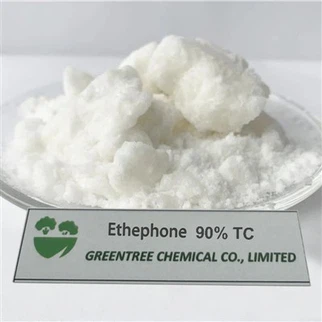
Basic information
Main dosage forms: 10%, 25% WP, 5% EC, 20% SP, 350g/L seed suspension treatment agent, 0.2% slow-release granules, 10% seed treatment microcapsule suspension, 20% soluble liquid, 1.1% glue bait.
Features of action
It is a nicotinic acid acetylcholinesterase receptor inhibitor. When pests come into contact with the agent, the normal conduction of the central nervous system is blocked, causing them to be paralyzed and die.
It has the characteristics of broad spectrum, high efficiency, low toxicity, low residue, and pests are not easy to develop resistance. It is safe for humans, livestock, plants and natural enemies, and has multiple effects such as contact killing, stomach poisoning and systemic absorption.
It is used to control piercing-sucking mouthparts pests and their resistant strains. The product has good rapid effect, with a high prevention effect one day after application, and a residual period of up to about 25 days. The higher the temperature, the better the insecticidal effect.
Target of control
It can control most important agricultural pests, especially piercing-sucking mouthparts pests such as aphids, leafhoppers, planthoppers, thrips, whiteflies and their resistant strains. It is also effective against Coleoptera, Diptera and Lepidoptera, and has no activity against nematodes and red spiders.
Method of use
(1) To control spirea aphids, pear psyllids, leaf rollers, apple gall aphids, peach aphids, whiteflies, leafminers and other pests, you can use 10% wettable powder 4000~6000 times diluted spray, or use 5% emulsion 2000~3000 times diluted spray.
(2) Seed treatment method, generally the effective ingredient per mu is 3~10g, add water for spraying or seed mixing.
(3) To control wolfberry aphids, use 5% emulsion, 30~50mg/kg of effective ingredient for spraying.
Precautions
(1) This product cannot be mixed with alkaline substances. Do not spray in strong sunlight to avoid reducing the efficacy.
(2) Direct contact is toxic to bees. Do not contaminate beekeeping and silkworm breeding sites and related water sources during use.
(3) Use the drug at the appropriate time, with a safe interval of 20 days. Do not use the drug 20 days before harvest.