(1) Good systemic and permeability, and a variety of application methods. Different from traditional neonicotinoid insecticides, Dinotefuran is the only neonicotinoid insecticide that does not contain chlorine atoms and aromatic rings. It has higher insecticidal activity and higher systemic and permeability. After application, it can penetrate well from the leaf surface to the back of the leaf; it is easy to move in the soil, and the granules can still exert a stable insecticidal effect under dry soil conditions.
In use, it can be applied by spraying, pouring, spreading, injection and other methods. It can be applied on leaves, soil, nursery boxes or paddy field water. It has a wide insecticide spectrum and can be widely used to kill aphids, rice planthoppers, whiteflies, whiteflies, thrips, stink bugs, leafhoppers, leafminers, flea beetles, mealybugs, leafminers, leafminers, peach borers, rice borers, diamondback moths, cabbage worms and other pests. It is also highly effective against sanitary pests such as fleas, cockroaches, termites, houseflies and mosquitoes.
(2) Good rapid effect, long lasting effect and good safety. Due to its good systemic absorption and permeability, after application, dinotefuran can be quickly absorbed by the roots, stems and leaves of crops and transferred to various parts of the plants, quickly killing pests. Generally, 30 minutes after application, pests can be seen to be poisoned and stop feeding. Pests can be killed after 2 hours. After dinotefuran is absorbed by the roots, stems and leaves of crops, it can exist in the plant body for a long time, achieving the purpose of continuous killing of pests. The effective period is more than 4-8 weeks, and it is very safe for crops. Under normal circumstances, it will not cause pesticide damage. It can be widely used in wheat, rice, cotton, peanuts, soybeans, tomatoes, watermelons, eggplants, peppers, cucumbers, apples and many other crops.
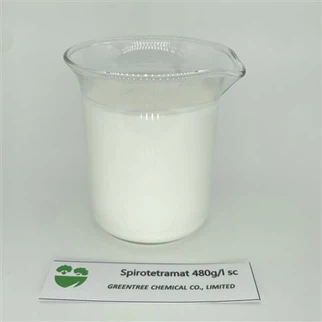
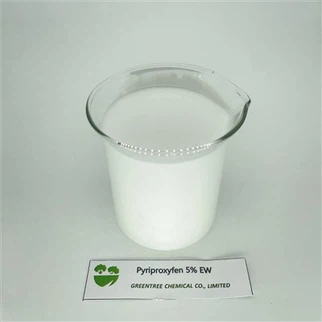
(3) Good compatibility and no cross-resistance. Dinotefuran can be mixed with spirotetramat, pymetrozine, nitenpyram, thiamethoxam, buprofezin, pyriproxyfen, acetamiprid and other pesticides for controlling piercing-sucking pests, and the synergistic effect is very significant. At the same time, dinotefuran does not have cross-resistance with neonicotinoid insecticides such as imidacloprid, acetamiprid, thiamethoxam, and clothianidin, and its activity is still very high when controlling pests that have developed resistance to imidacloprid, thiamethoxam, acetamiprid, etc.